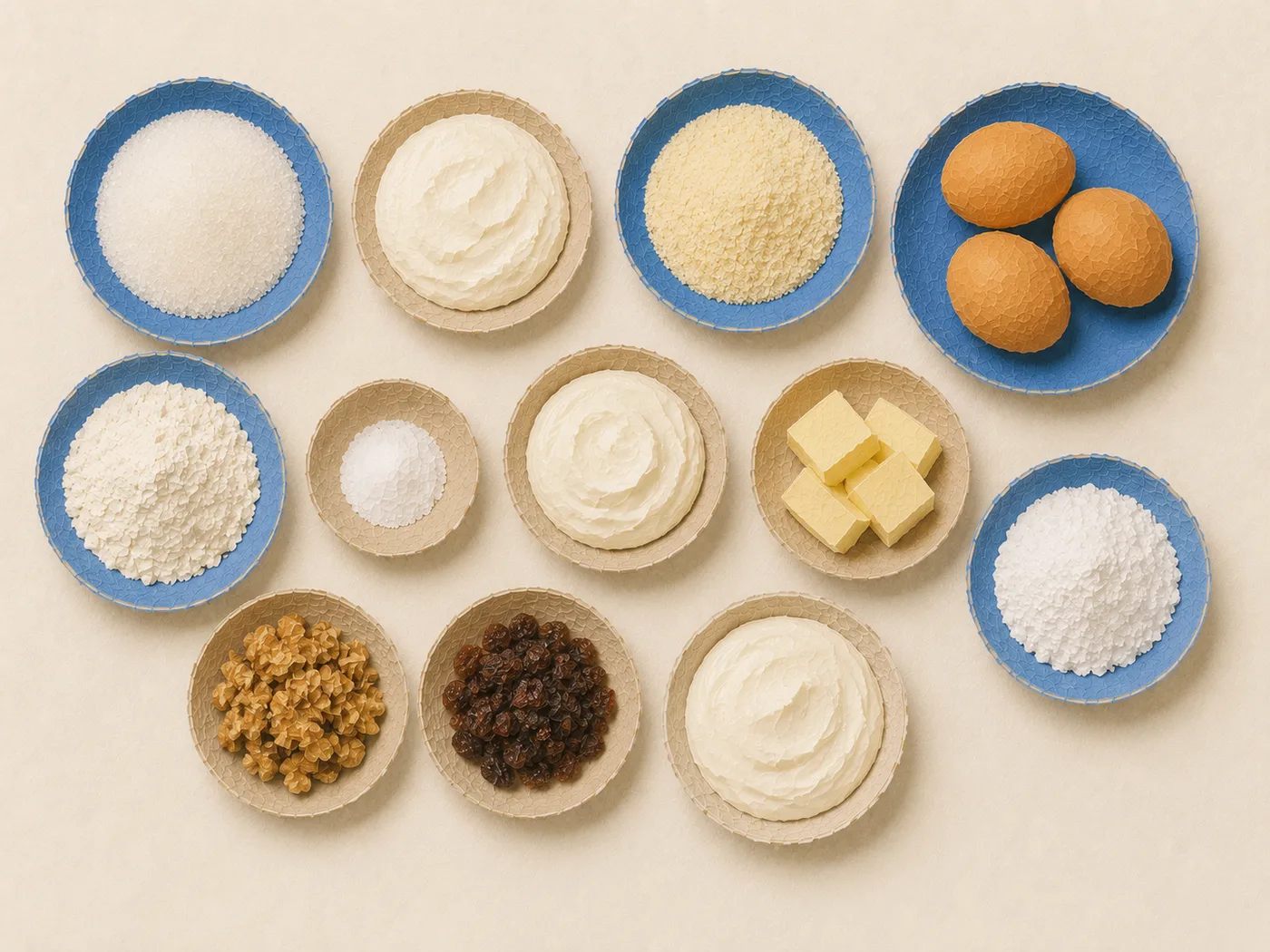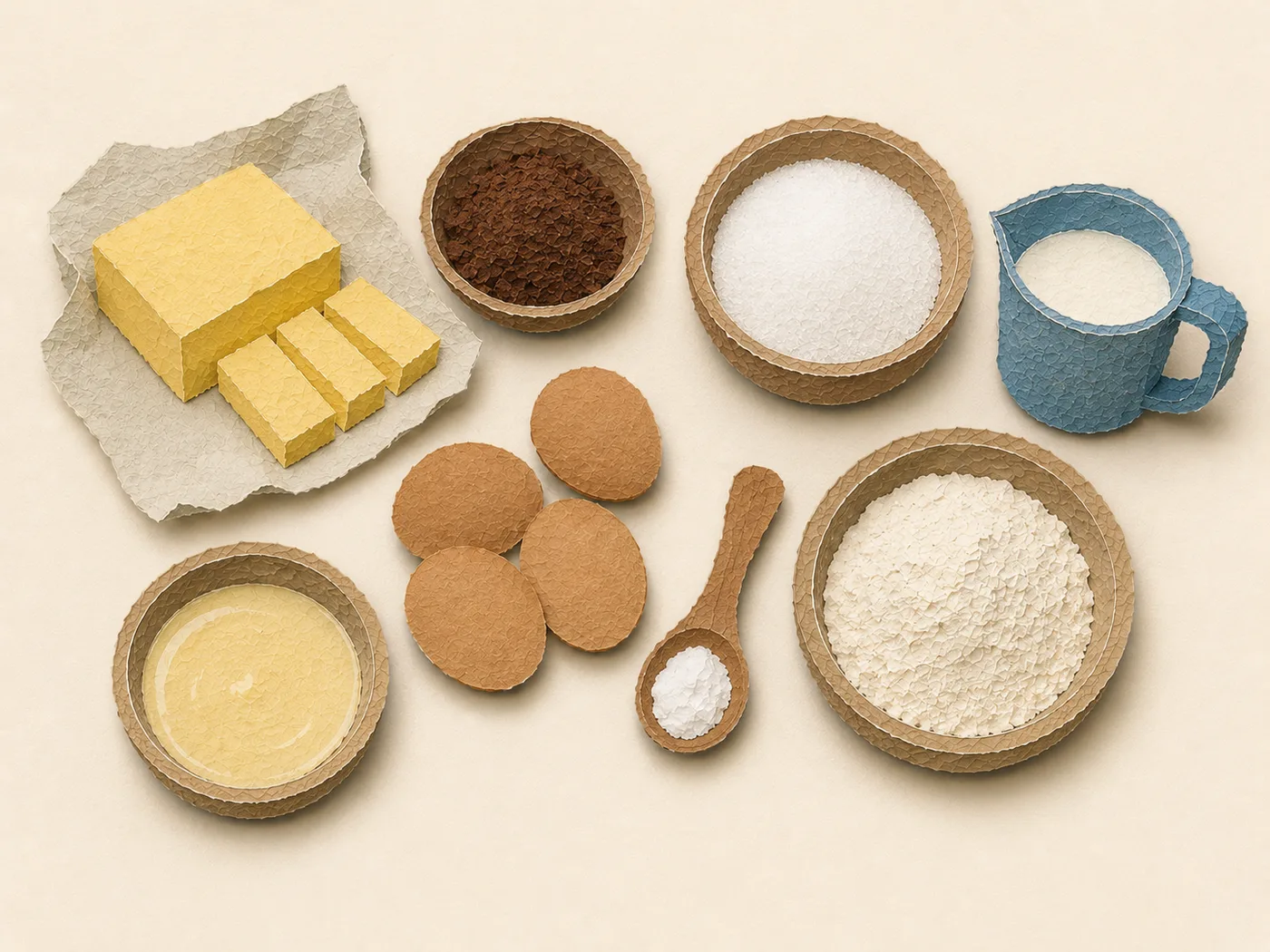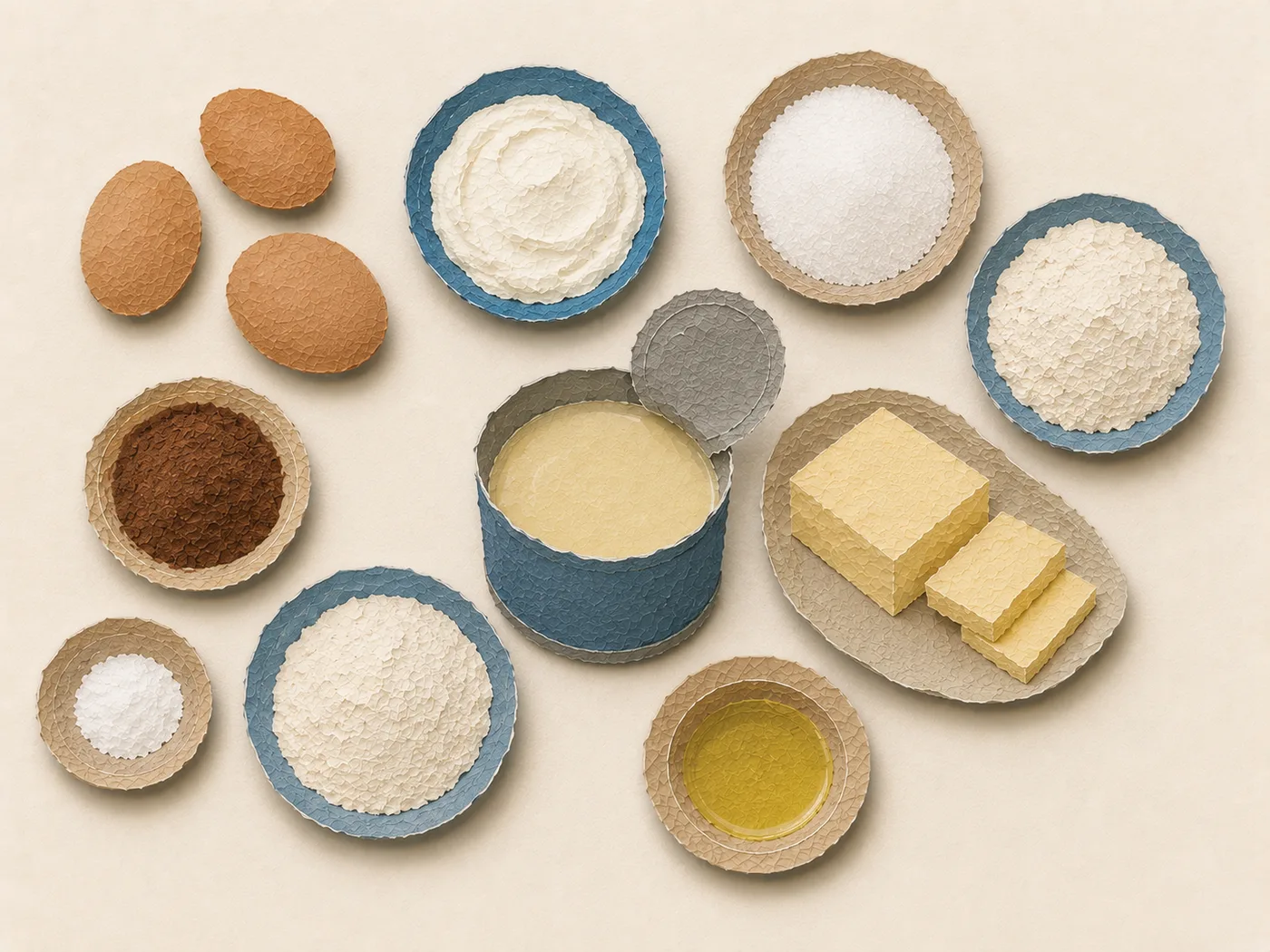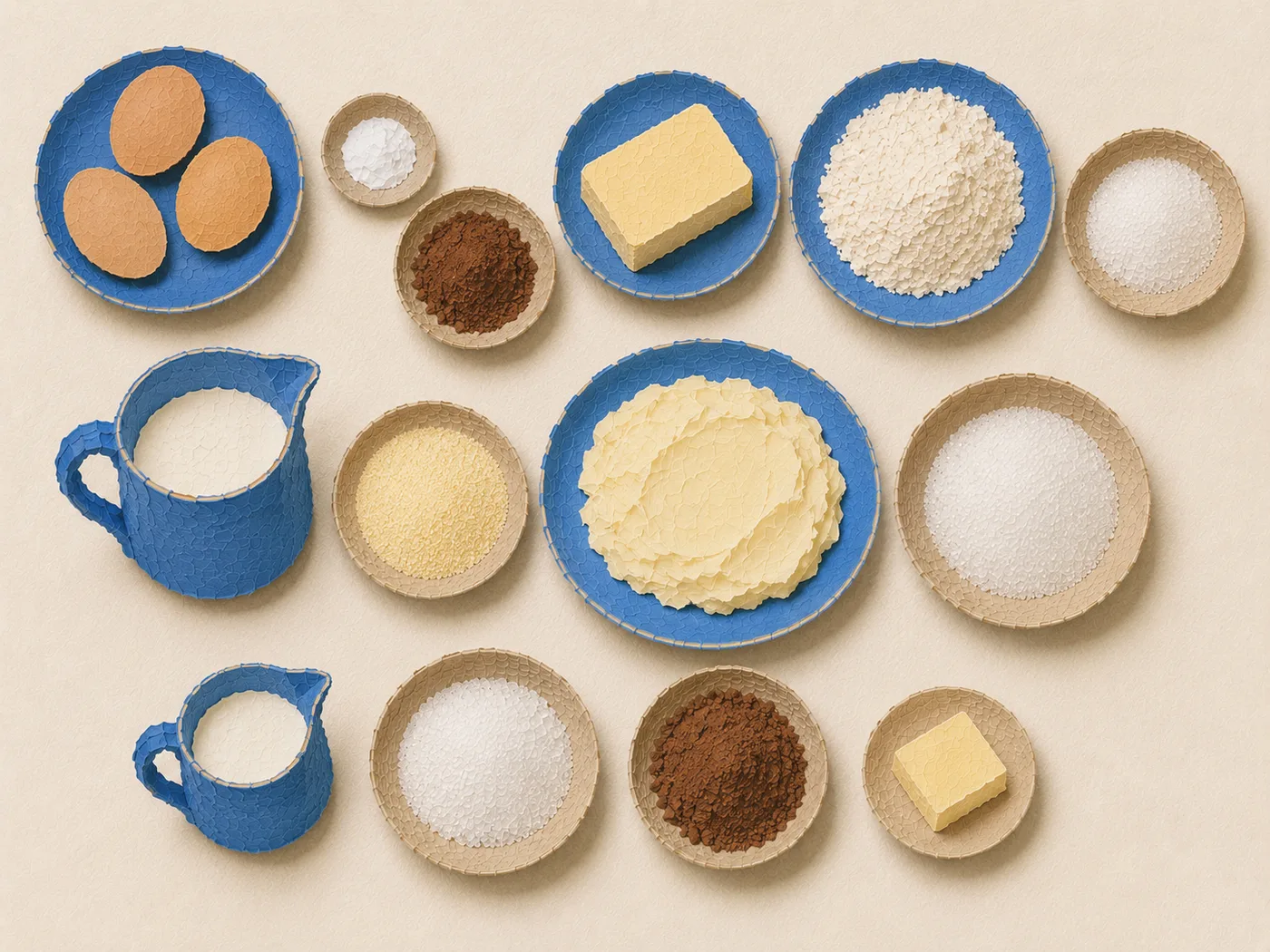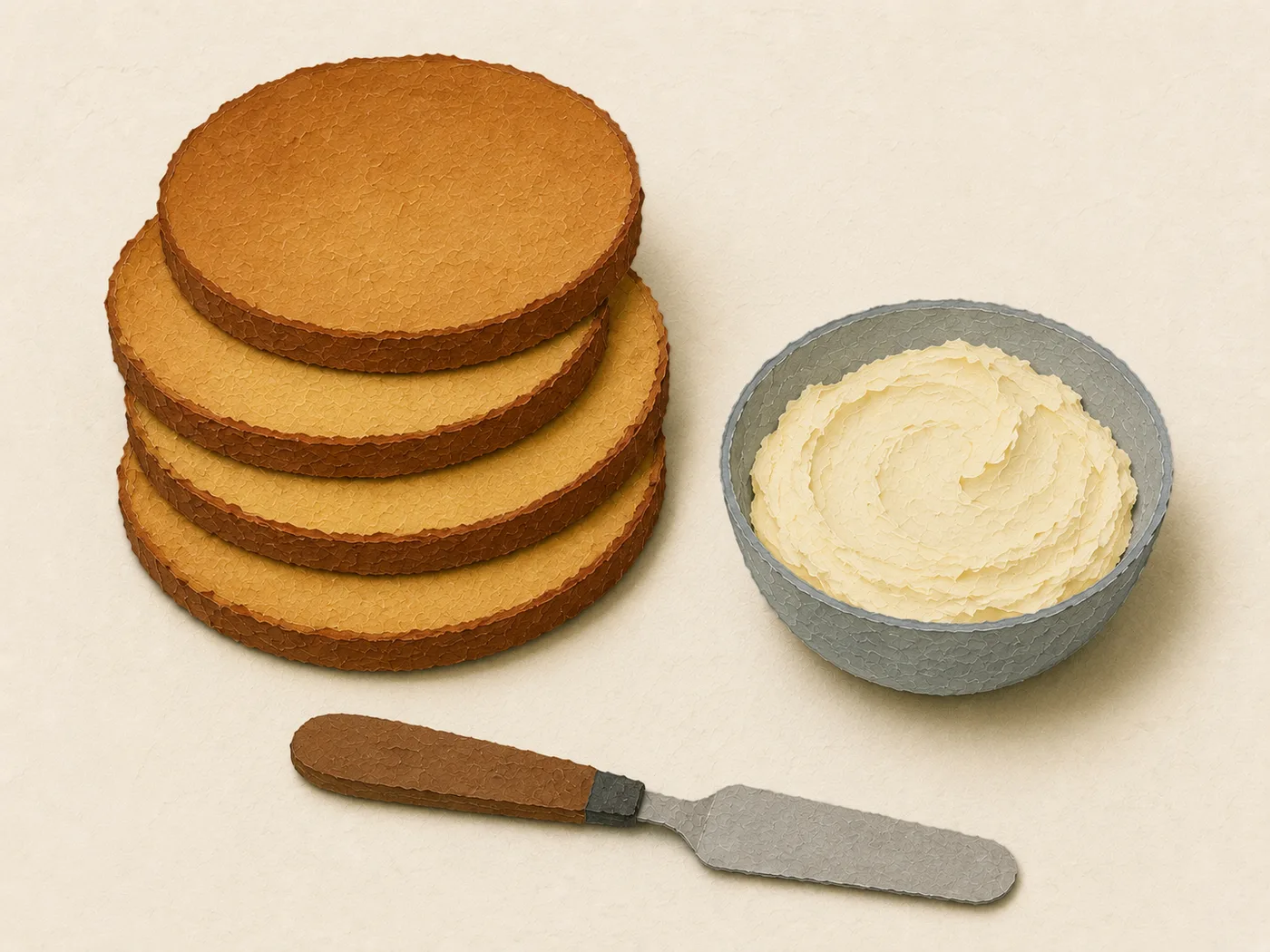
Eastern European layer cakes are not assembled and served immediately. They are built, creamed, and left to rest overnight. The layers absorb the cream, the cream sets, and the whole cake firms into something that slices cleanly and tastes entirely different from the same cake eaten the same day. This method covers the assembly logic shared across all Eastern European layer cakes, from Ryzhik to Prague to Sour Cream Cake to Chocolate Prince.
Ingredients
- 2 to 4 baked cake layers, fully cooled
- Cream or filling (condensed milk butter cream, sour cream cream, or custard)
- Soaking syrup (sweetened tea, coffee, or diluted condensed milk), optional
- Jam, fruit, or nuts for layering, optional
- A long palette knife or spatula
Instructions
- 1Bake all layers as directed and cool completely to room temperature, do not assemble warm.
- 2If layers are uneven, trim with a serrated knife so they sit flat.
- 3Place the first layer on a plate or cake board. Spread cream generously, more than looks right.
- 4Add the next layer, pressing gently to seat it. Repeat for all layers.
- 5Apply a thin crumb coat over the outside. Press cake scraps or crumbs on top as garnish if desired.
- 6Wrap tightly in plastic wrap. Refrigerate a minimum of 6–8 hours, overnight preferred.
- 7Slice cold with a sharp knife wiped clean between cuts.
Cook's Note
The overnight rest is not optional. Every Eastern European layer cake recipe that calls for overnight resting means it, this is not a preference, it is part of the method. Minimum 6–8 hours in the refrigerator; overnight is standard. Do not serve an Eastern European layer cake the day it is made.
How to Use This
Apply to all Eastern European layer cakes: bake and fully cool all layers first, then assemble. Apply cream generously between each layer, more than looks right; the excess is what gets absorbed during resting. Wrap the assembled cake tightly in plastic wrap and refrigerate overnight. Serve cold or at cool room temperature. A thin crumb coat on the outside is traditional; pressing cake scraps on top as garnish is standard.
Why This Method Works
Eastern European cake layers are typically denser than Western sponge layers, made with sour cream, kefir, or condensed milk batters rather than whipped egg foam. This density means they absorb cream slowly. An overnight rest gives the cream time to migrate fully into the layers, soften them, and bind the whole cake together. Cutting an EE layer cake on the day it is assembled produces crumbling layers and smeared cream. Cutting after overnight rest produces clean, even slices that show every layer.
Make It Yours
- For soft fruit fillings such as bananas or peaches, layer them between the cream inside the cake but not on the outside surface, surface fruit weeps and softens the exterior overnight.
- For a chocolate finish, coat with warm ganache after the cake has rested and re-chilled.
- For cakes where sour cream is the topping such as Yubka or Sour Cream Cake, add the sour cream topping in the last 2–3 hours before serving.